







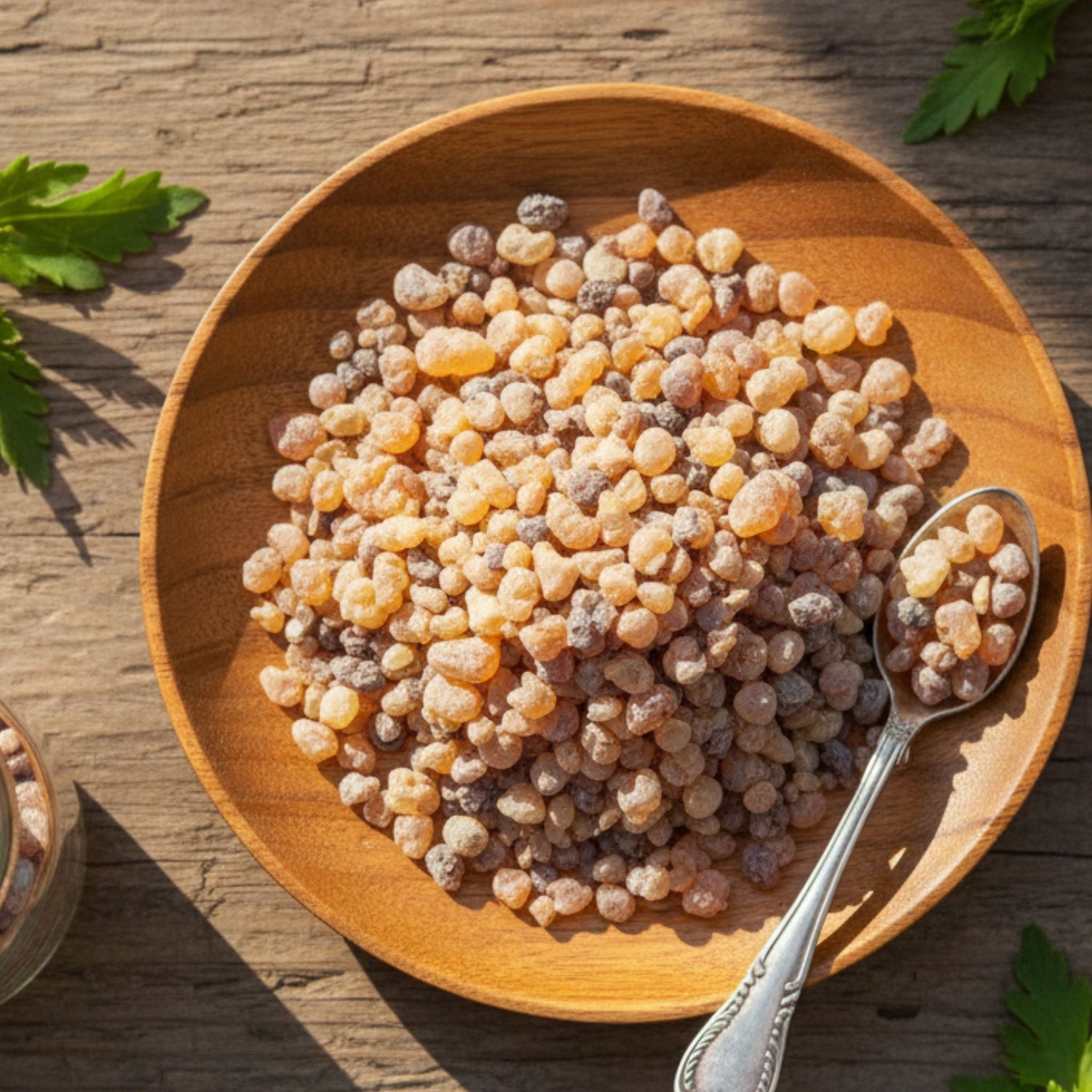



Equine Olfactotherapy: Understanding the Science of Smells to Support a Horse’s Emotions
Equine olfactotherapy is based on a fundamental principle: the sense of smell is the only sensory pathway that can access the limbic system directly—the part of the brain involved in emotions and memory. In horses, a highly sensitive and reactive species, this direct access makes it possible to act quickly on emotional states, internal tensions, and stress responses. This specificity makes olfaction a powerful therapeutic tool for supporting sensitive or anxious horses, as well as those showing behaviours linked to unexpressed emotions. Readers can explore this mechanism further through the functioning of the sense of smell.
Emotions follow a natural cycle consisting of a charge, a tension, and a release. When this cycle is interrupted, the emotion remains trapped in the body and may lead to chronic stress, hypersensitivity, muscle tension, or maladaptive behaviours. Essential oils act on several levels: biochemical, energetic, and informational. Their molecular composition (monoterpenes, esters, phenols, aldehydes) gives them calming, stimulating, or rebalancing properties. Their vibrational frequency, which can be measured scientifically, also helps harmonise emotional imbalances. Readers can explore this dimension through the energetic work of essential oils.
The informational action of essential oils is based on the concept of prana or vital energy. Each essential oil carries the energetic signature of the plant it comes from: its structure, its energy, and its history. Breathing in an essential oil means inhaling plant‑based information capable of interacting with the horse’s emotional memory. Some oils act like a balm on deeply buried painful experiences, facilitating their release. This subtle dimension explains the effectiveness of olfactotherapy in supporting old traumas or deep‑rooted fears. Readers can explore this approach further through the work on emotional memory.
Several methods can be used to apply essential oils in equine olfactotherapy. The creation of synergies is based on the olfactory pyramid: top notes for emotional opening, heart notes for central processing, and base notes for grounding. Another method uses the chakras, energetic centres connected to organs and emotional functions. Each chakra resonates with specific essential oils. Readers can explore this method through the work on chakras.
Traditional Chinese Medicine offers an additional framework based on the five elements: Wood, Fire, Earth, Metal, and Water. Each element corresponds to a temperament, strengths, vulnerabilities, and specific imbalances. Essential oils help rebalance excesses or deficiencies—for example, by calming an irritable horse or revitalising an exhausted one. Readers can explore this approach through the five‑element profile.
The olfactotherapy protocol relies on one essential principle: letting the horse choose. Thanks to its highly developed sense of smell, the horse instinctively identifies the essential oil it needs. Once the oil is chosen, it is recommended to associate it with positive moments and then offer it during stressful situations to support emotional regulation. This olfactory autonomy strengthens trust, calmness, and the horse’s ability to self‑regulate.
- Choosing a selection results in a full page refresh.
- Opens in a new window.
Declare withdrawal
Please fill out the following form to declare your withdrawal from the contract.
